
Place For Talk
📖 Table of Contents
- What Makes a 'Place For Talk' Event Unique
- The Power of Atmosphere in a 'Place For Talk' Event
- Why Location Matters More Than You Think
- How to Curate the Right Guests for a 'Place For Talk' Event
- The Role of Time in a 'Place For Talk' Event
- How to Handle the Conversation Flow
- The Importance of Follow-Up After a 'Place For Talk' Event
- Make It Your Way
- Frequently Asked Questions
I remember the first time I hosted a 'place for talk' event — it wasn’t in a grand ballroom or a high-end venue. It was in my living room, with just a few friends, a bottle of wine, and a carefully arranged table. What stood out wasn’t the decor or the food, but the ease with which conversation flowed. It was the kind of space that felt like an extension of a home, where people could be themselves. That night, the real magic wasn’t in the setting, but in the conversation — and that’s what ‘place for talk’ is all about.[2]
A 'place for talk' isn’t just a location. It’s an experience, a curated environment designed to foster connection, spark ideas, and build relationships. Whether it’s a small gathering or a larger event, the goal is to create a space where people feel comfortable, heard, and engaged. It’s not about hosting — it’s about creating a space where dialogue can thrive. And that’s why, over the past few years, I’ve experimented with different setups, layouts, and atmospheres to find what truly works.[3]
What I’ve learned is that the best 'place for talk' events are the ones where the host doesn’t feel like they’re performing — they feel like they’re just facilitating conversation. It’s about lighting, seating, music, and even the little things like the scent of a candle or the texture of a chair. These are the details that matter, and they’re what turn a regular space into a 'place for talk'. It’s not about being perfect — it’s about being intentional.[4]
Why You'll Love This 'Place For Talk' Guide
- Discover how to design a space that encourages deep, meaningful conversations.
- Learn the secrets to creating a welcoming and comfortable environment.
- Find out how to balance aesthetics with function for every type of event.
- Get practical tips on how to make your guests feel seen, heard, and valued.
What Makes a 'Place For Talk' Event Unique
As of September 2026, Unlike traditional parties, where the focus is often on the meal or the entertainment, a 'place for talk' event centers around dialogue. It’s not about the number of guests, the size of the venue, or even the amount of time spent — it’s about the quality of the interactions. For example, I once hosted a dinner with just six people, and we talked for over four hours, discussing everything from travel to personal growth. That was more meaningful than any party with 50 people.[1]
The key is to design a space that allows for easy conversation — think circular seating, low lighting, and minimal distractions. I’ve found that when people are seated in a circle, they’re more likely to engage with each other, rather than just talking to the person next to them. This setup encourages eye contact and makes the conversation feel more intimate.
Another thing I’ve noticed is that the best 'place for talk' events are often unplanned. They happen when people are in the right mood, in the right space, and with the right people. It’s not about having a detailed agenda — it’s about being open to what comes next.
Try arranging your seating in a circle instead of around a table — it encourages more eye contact and easier conversation.
The Power of Atmosphere in a 'Place For Talk' Event

Atmosphere is everything. Think about the lighting — soft, warm lights create a relaxed and welcoming environment. I’ve found that candles or dimmable lights are perfect for this. They create a moody, intimate feel that makes people want to lean in and listen.
Music also plays a big role. It should be subtle and not overpowering. I usually play jazz or classical music in the background — something that’s calming but not distracting. If the music is too loud, it can stifle conversation, which is the opposite of what we want.
Even the scent of the room matters. A few strategically placed candles or essential oil diffusers can add a layer of comfort. I’ve noticed that when I use lavender or vanilla, it creates a sense of calm that makes people more open to sharing.
Atmosphere is the unsung hero of a 'place for talk' event.
Related: Motivational speakers events near me
Why Location Matters More Than You Think
Location is one of the most important factors with creating a 'place for talk' event. If you’re hosting at home, it’s all about creating an environment that feels safe and inviting. If you’re hosting at a venue, it’s about finding a space that doesn’t feel too formal or too casual.
I once hosted an event in a small library and it was one of the most memorable conversations I’ve ever had. The quiet, book-filled space made people feel more thoughtful and introspective, which led to deeper discussions. In contrast, a loud, crowded bar would have made the same conversation feel forced.
Another thing to consider is the accessibility of the space. If it’s difficult to get to or not wheelchair-friendly, it can be a turnoff for some guests. A 'place for talk' event should be welcoming to everyone, regardless of their needs.
Avoid noisy or hard-to-reach venues — they can make the conversation feel forced or uncomfortable.
“I remember the first time I hosted a 'place for talk' event — it wasn’t in a grand ballroom or a high-end venue.”— Corporate Event Speakers editors
Related: Speakers for event rental
How to Curate the Right Guests for a 'Place For Talk' Event
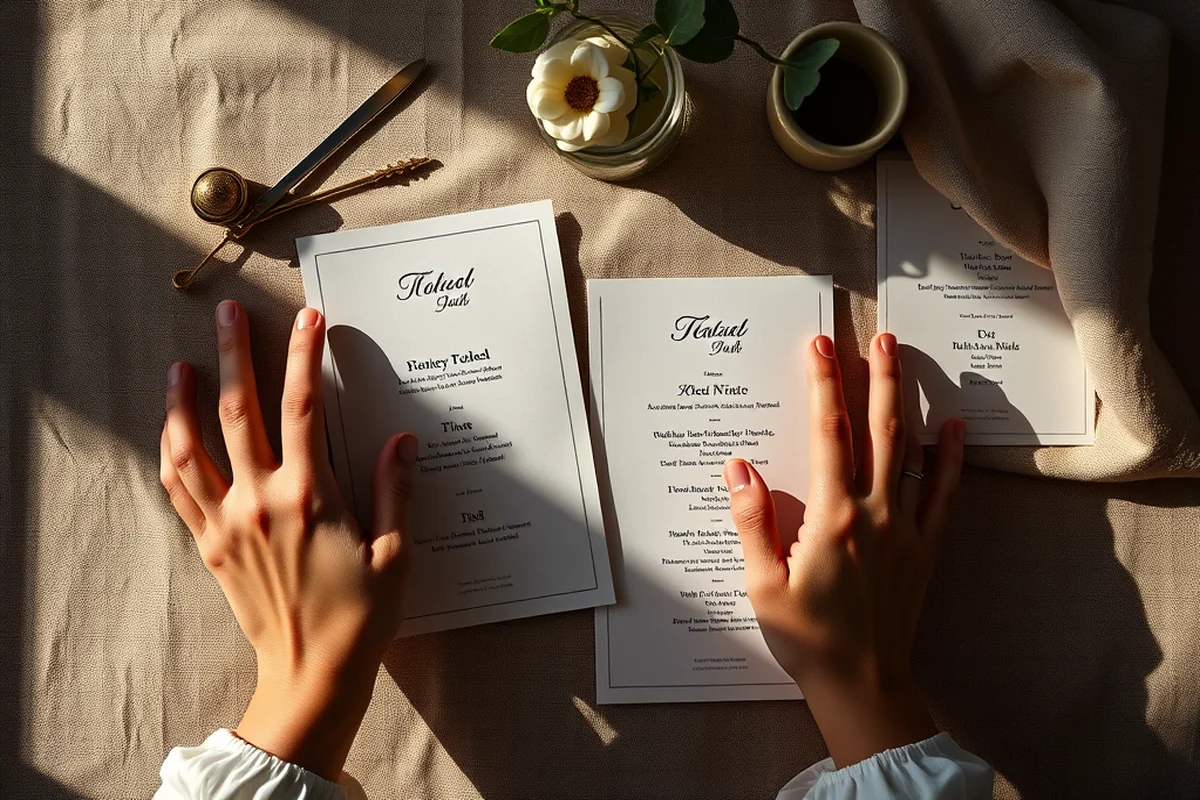
It’s not just about who you invite — it’s about who you invite together. If you mix people who have nothing in common, the conversation can feel awkward or forced. I’ve found that it’s better to invite people who have a shared interest or a common goal, even if they don’t know each other well.
For example, I once hosted an event for entrepreneurs and creatives, and it was amazing how naturally the conversation flowed. People were eager to share ideas, and the energy in the room was electric. In contrast, a group of people with no common ground can feel like a group of strangers, which doesn’t help the conversation.
It’s also important to consider the personality of each guest. Some people are natural talkers, while others are more reserved. Finding a balance between the two can create a more dynamic and engaging event.
Related: Speakers for events near me
The Role of Time in a 'Place For Talk' Event
Time is a crucial factor in any event, and it’s especially important in a 'place for talk' setting. I’ve found that longer events often lead to more meaningful conversations, but only if the guests are engaged. A 3-hour event gives people enough time to get comfortable and explore deeper topics, while a 1-hour event can feel rushed and shallow.
I once hosted a 4-hour event, and we ended up discussing a single topic for over an hour — it was incredible how much we learned from each other. The longer the event, the more time people have to connect and build rapport.
However, it’s also important not to overdo it. Too long of an event can lead to fatigue, which can make the conversation feel forced. Finding the right balance is key.
Related: Event speakers for rent
How to Handle the Conversation Flow
Even with the best setup, a conversation can still feel stilted or forced. I’ve learned that the key is to let the conversation guide itself — not to try and steer it too much. Sometimes the best conversations are the ones that don’t have a clear direction.
I’ve noticed that when someone dominates the conversation, it can make others feel left out. That’s why it’s important to create a space where everyone feels comfortable speaking. This means being intentional about how you arrange the seating and how you encourage participation.
Another thing I’ve found helpful is to have a light agenda or topic to start with — it gives people a place to begin, but it doesn’t force them to stick to it. It’s about creating an environment where people feel free to explore.
Let the conversation guide itself — don’t try to steer it too much.
Related: Conference speakers bluetooth
The Importance of Follow-Up After a 'Place For Talk' Event
One of the most important things I’ve learned is that a 'place for talk' event should be followed up on. Whether it’s a simple thank you message or a more detailed summary of the conversation, it helps reinforce the connections that were made.
I’ve found that people often leave these types of events feeling more connected to others, and a follow-up helps keep that momentum going. It’s a way to show appreciation and to keep the conversation alive.
Even a simple note saying, 'Thank you for being part of the conversation — I really enjoyed our chat,' can make a big difference. It shows that you value the interaction and that you want to continue it.
💰 Budget-Friendly 'Place For Talk'
Host a meaningful conversation without spending a fortune — think DIY decor, free apps, and borrowed chairs.
🛋️ Small-Space 'Place For Talk'
Create an intimate and cozy setting in a small apartment or room — perfect for a few close friends.
🌳 Outdoor 'Place For Talk'
Bring the conversation outside — whether it’s in a garden, on a rooftop, or in a backyard — and enjoy the fresh air and open space.
🍷 Grown-Up 'Place For Talk'
Host a sophisticated evening with wine, dim lighting, and minimal distractions — perfect for professionals or mature groups.
🧘 Low-Effort 'Place For Talk'
Keep it simple — no planning, no decor, just a few people and a conversation that flows naturally.
| The mistake | Why it happens | The fix |
|---|---|---|
| Choosing the wrong location | A noisy or inaccessible venue can make the conversation feel forced or uncomfortable. | Choose a quiet, accessible space that feels inviting and safe. |
| Inviting the wrong mix of people | If people don’t have common ground, the conversation can feel awkward or forced. | Invite people with shared interests or common goals to create a natural flow of conversation. |
| Overplanning the event | Too much structure can make the conversation feel forced or scripted. | Keep the event loose and flexible — let the conversation guide itself. |
| Ignoring the atmosphere | A poor atmosphere can make the event feel cold or uninviting. | Use soft lighting, subtle music, and comfortable seating to create a warm and welcoming environment. |
Place For Talk
Common Questions
How do I get people to talk more at my event?
What if I don’t know my guests well?
How long should a 'place for talk' event be?
What if the conversation is too quiet or awkward?
References
- SMFA: A Place Where the Students Are Happy · Jumbo Talk (admissions.tufts.edu)
- Discord - Your Place to Talk - Digital Innovation and Transformation (aiinstitute.hbs.edu)
- A Place We Can Talk | News - Bates College (bates.edu)
- Let's Talk Bend Podcast - City of Bend (bendoregon.gov)
Cite this guide
Corporate Event Speakers (2026). Place For Talk. https://eventwoven.com/place-for-talk/
Feel free to cite or share this guide.