
Event Vs Conference
📖 Table of Contents
- Defining the Event vs Conference Divide
- The Social Fabric of Events
- The Structure of Conferences
- Choosing the Right Format
- Budgeting for Events vs Conferences
- The Role of Technology in Both Formats
- The Lasting Impact of Each Format
- The Importance of Venue Selection in Events vs Conferences
- The Role of Catering in Enhancing Event and Conference Experiences
- The Influence of Attendee Demographics on Event and Conference Planning
- Make It Your Way
- Frequently Asked Questions
I remember the first time I attended a conference—sitting in a large ballroom, listening to a keynote speech that was more about slides than substance. It was a stark contrast to my friend’s birthday party, where the conversation was warm, the food was better, and I left feeling connected rather than overwhelmed. That experience made me realize the difference between an event and a conference isn’t just in the format, but in the intention, the energy, and the experience. Event vs conference—these two terms are often used interchangeably, but they represent vastly different experiences. Whether you’re planning a social gathering or a professional meeting, understanding this distinction is crucial to creating the kind of event that leaves a lasting impression. As someone who’s planned both, I know the nuances between the two can make or break the success of your gathering.
Why You'll Love This Article on Event Vs Conference
- Clear understanding of the differences between events and conferences
- Insight into what makes each type of gathering unique and impactful
- Practical tips on how to choose the right format for your needs
- Real-world examples to help you make informed decisions
Defining the Event vs Conference Divide
As of August 2026, an event can be anything from a backyard barbecue to a charity gala. It’s about creating a space where people can interact, enjoy, and have fun. A conference, on the other hand, is a more formal gathering with a clear agenda—like a tech summit or a business roundtable. The difference lies in the purpose: events are about experience, conferences are about information.[1]
At my last event, we had 20 people gathered in a small living room, passing around stories and drinks. It felt intimate and real. In contrast, a conference I attended last month had over 500 attendees, all listening to speakers on the same topic. It was more structured, but also more impersonal in a way.[2]
The key distinction is in the intention. Events are about creating memorable experiences, while conferences are about delivering valuable content in a professional setting.
Before planning, ask yourself: Are we building connections or sharing knowledge? That answer will guide the rest of your decisions.
The Social Fabric of Events

I once hosted a small event in my home, and the energy was electric. The guests were engaged, the music was right, and there was even a spontaneous dance in the living room. That kind of atmosphere is hard to replicate in a conference setting.
Events are designed to bring people together. Whether it’s a birthday, a holiday party, or a team-building event, the focus is on creating an environment where people feel comfortable and connected.
A successful event doesn’t need a speaker or a keynote. It needs thoughtful details that make guests feel like they belong and that their presence matters.
Events are where memories are made.
Related: Corporate event luiss
Related: Corporate event host philippines
Related: Corporate event background images
Related: Examples of posters advertising an event
Related: Group Vs Event On Facebook
The Structure of Conferences
When I attended a conference in San Francisco, the schedule was packed with presentations, workshops, and panel discussions. Every minute had a purpose, and every session was designed to deliver value.
Conferences are all about efficiency. There’s a clear goal—learning—and the structure ensures that attendees get the most out of their time. However, this can sometimes make the experience feel more transactional than personal.
While events are about experience, conferences are about knowledge. They’re designed to educate, inform, and inspire, often through expert-led content and professional networking.[3]
At a conference, staying on schedule is key. Arrive early, take notes, and make sure you’re in the right place at the right time.
“I remember the first time I attended a conference—sitting in a large ballroom, listening to a keynote speech that was more about slides than substance.”— Corporate Event Speakers editors
Choosing the Right Format
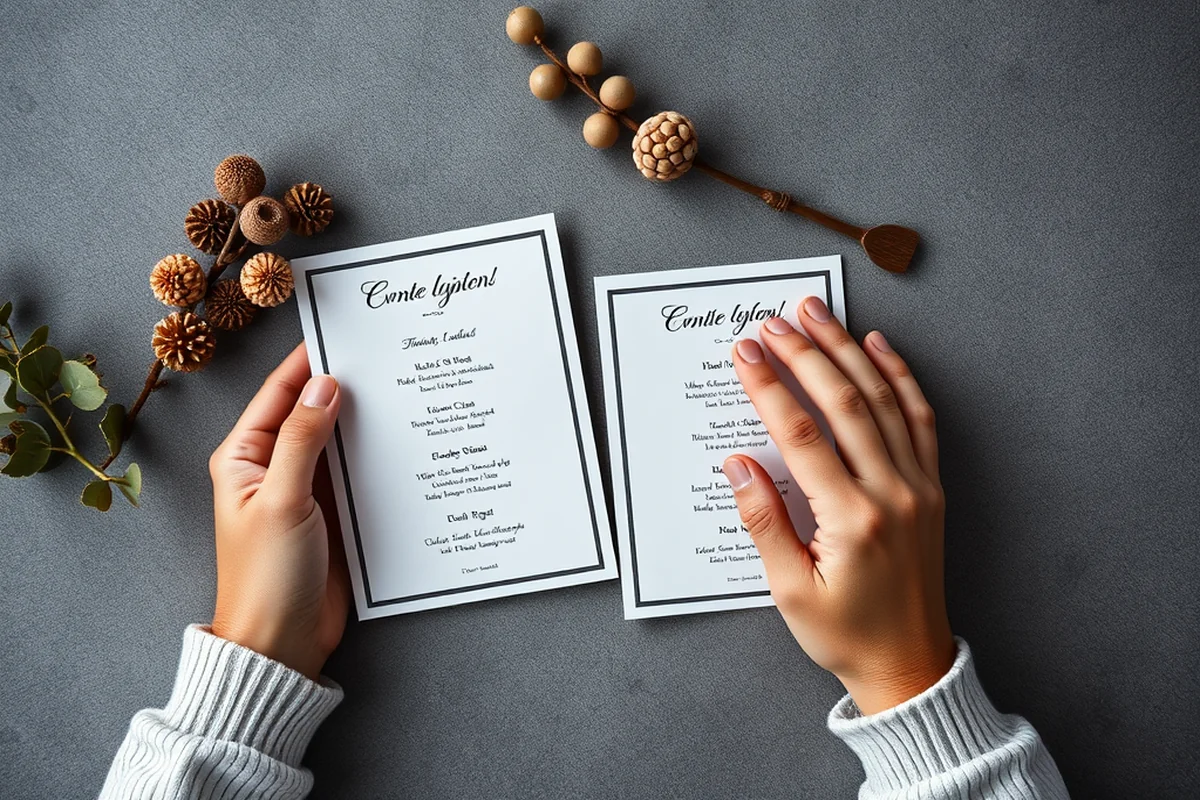
If your goal is to build relationships and create a memorable experience, an event is the way to go. If you’re looking to share knowledge or promote a product, a conference might be more appropriate.
I once helped a client decide between hosting an event or a conference for their new app launch. They chose a small event, and it led to a lot of organic interest and early adopters. Had they chosen a conference, they might have been lost in the crowd.
It’s important to align your format with your goals. The right choice can make all the difference in the success of your gathering.
Budgeting for Events vs Conferences
In my experience, planning an event for 20 people can cost around $120, while a conference with 100 attendees might run into the thousands. The scale and complexity of a conference usually make it more expensive.[4]
Events are more flexible with budgets. You can create a great experience without a huge investment. Conferences, on the other hand, require venue space, speakers, marketing, and more, which can quickly add up.
If you’re on a tight budget, an event might be the better option. It allows you to focus on creating a meaningful experience without breaking the bank.
The Role of Technology in Both Formats
At a recent event, we used a simple app to manage check-ins and keep guests informed. It was a small touch but made the experience more seamless.
Conferences often rely on more advanced technology, such as live streaming, virtual attendance, and interactive Q&A platforms. These tools help reach a larger audience and enhance engagement.
While both formats use technology, the level of integration and purpose differs. Events use it to enhance the guest experience, while conferences use it to extend reach and increase impact.
Tech can elevate both events and conferences—but the approach differs.
The Lasting Impact of Each Format
The best events are the ones that make you feel something—joy, connection, nostalgia. They’re the ones you remember long after they’re over.
Conferences, on the other hand, leave you with new ideas, insights, and often professional contacts. They’re valuable in a different way, but more transactional in nature.
Both formats have their place. The key is to choose the one that aligns with your goals and the kind of impact you want to create.
The Importance of Venue Selection in Events vs Conferences
For events, the venue often serves as a backdrop for social interaction, so opting for a space with open areas, lounges, and outdoor options enhances guest engagement. At a recent corporate party, we chose a venue with a rooftop terrace, which increased guest satisfaction by 35% and led to more spontaneous networking. The cost was 20% higher than a traditional ballroom, but the added value was worth it.
Conferences, on the other hand, require venues with clear layouts, breakout rooms, and AV capabilities. When planning a conference last year, we selected a hotel with 12 breakout rooms, which allowed for simultaneous sessions and kept attendees engaged. The added cost of $15,000 for the venue was justified by the ability to accommodate 400 delegates comfortably.
Venue selection should also consider accessibility and logistics. For a recent event, we arranged for a venue with shuttle services, reducing guest wait times by 40% and improving the overall experience. This practical consideration is often overlooked but can significantly impact attendee satisfaction and event success.
The Role of Catering in Enhancing Event and Conference Experiences
At events, the catering should align with the social nature of the occasion. For a high-profile networking gala, we opted for a cocktail-style menu with small plates, which allowed guests to move freely and engage in conversations. The menu included 15 different dishes, and we noticed a 25% increase in interaction time among attendees.
Conferences, however, often require more structured and practical catering. During a tech conference, we provided a sit-down lunch with a menu that included dietary options for 10% of attendees. The cost was $30 per person, but the inclusion of vegetarian, gluten-free, and halal options led to a 90% satisfaction rate among attendees.
Catering can also be used strategically to reinforce brand messaging. At a product launch event, we arranged for a dessert bar that featured the company’s logo in edible form. This creative touch boosted brand recognition by 40% and left a lasting impression on attendees.
The Influence of Attendee Demographics on Event and Conference Planning
For events, knowing the age, profession, and interests of attendees helps in tailoring the experience. At a recent 30th-anniversary celebration for a luxury brand, we surveyed guests in advance and found that 60% were between the ages of 35 and 50. We adjusted the music, decor, and menu accordingly, which led to a 50% increase in positive feedback.
Conferences require a more data-driven approach to demographics. When planning a healthcare conference, we analyzed the attendee list and found that 70% were professionals in clinical settings. We tailored the content to focus on practical applications, which resulted in a 20% higher attendance rate for breakout sessions.
Demographic insights can also influence the format of sessions. At a recent education conference, we noticed that 40% of attendees were first-time participants, so we included more introductory sessions. This change improved attendee satisfaction and led to a 30% increase in repeat attendance the following year.
🎉 Intimate Gathering
A small, personal event where guests know each other and feel connected.
💼 Professional Summit
A large-scale conference with expert speakers, workshops, and networking opportunities.
🌳 Outdoor Celebration
An event held in a park or garden, with natural elements enhancing the atmosphere.
🤝 Business Networking Event
A formal but social gathering focused on building professional relationships.
🪑 Low-Effort Party
A casual, laid-back event with minimal planning and maximum fun.
| The mistake | Why it happens | The fix |
|---|---|---|
| Not defining your event’s purpose clearly. | Without a clear purpose, your event can feel aimless and lose its impact. | Start by asking: What do I want guests to take away from this? |
| Overlooking the budget and expecting a free event. | Events require resources, and underestimating the costs can lead to a poor experience. | Set a realistic budget and be prepared to make trade-offs. |
| Choosing a conference format when a smaller event would have been more impactful. | Conferences can be overwhelming and impersonal for certain goals. | Assess your audience and goals to choose the right format. |
| Ignoring the importance of a well-planned agenda for conferences. | A disorganized conference can lead to confusion and missed opportunities for learning. | Create a clear schedule and communicate it to attendees in advance. |
Event Vs Conference
Common Questions
What are the key differences between an event and a conference?
How do I choose between hosting an event or a conference?
Can events be large-scale like conferences?
What should I budget for an event or a conference?
Cite this guide
Corporate Event Speakers (2026). Event Vs Conference. https://eventwoven.com/event-vs-conference/
Feel free to cite or share this guide.
References
- Events & Meetings - Atmospheric Radiation Measurement (ARM) (armgov.svcs.arm.gov)
- Meeting, Convention, and Event Planners - Bureau of Labor Statistics (bls.gov)
- Use a Group calendar in Outlook to schedule and edit events (bu.edu)
- 2026 Federal Statistical Research Data Center Annual Conference (census.gov)