
Event Audio Speakers
📖 Table of Contents
- What to Know Before Renting or Buying Event Audio Speakers
- The Power of Sound in Events
- Choosing the Right Speaker System for Your Event
- Setting Up Your Event Audio Speakers
- Common Audio Issues and How to Fix Them
- The Role of Technology in Modern Event Audio Systems
- The Long-Term Benefits of Investing in Quality Event Audio Speakers
- Make It Your Way
- Frequently Asked Questions
There’s nothing quite like the feeling of standing in the middle of a well-attended event, hearing the music just right, and knowing that the event audio speakers are doing their job. I remember one particular wedding where the sound system faltered in the middle of the first dance, and it turned a magical moment into something awkward and forgettable. That’s when I realized how crucial event audio speakers are—not just for volume, but for tone, clarity, and emotional resonance.
I’ve attended dozens of events, from intimate birthday parties to full-blown corporate galas, and I’ve learned that the right event audio speakers can elevate an entire experience. Poor audio can ruin even the best-planned event. I once went to a conference where the speakers were so low that I had to strain to hear the keynote speaker. It was a disaster, and it didn’t take long for the audience to lose interest.
When I started planning my own events, I made a point to understand event audio speakers and how they could transform the atmosphere. I tested different brands, setups, and configurations, and I’ve learned that it’s not just about buying the loudest speakers. It’s about finding the right balance between volume, clarity, and coverage. That’s where the magic happens.
Why You'll Love This Guide to Event Audio Speakers
- Understand how to select the best event audio speakers for your space and event type.
- Learn how to avoid common audio pitfalls that can ruin even the best-planned events.
- Get tips on setting up your speakers for maximum clarity and coverage.
- Discover how event audio speakers can enhance the mood and atmosphere of your event.
What to Know Before Renting or Buying Event Audio Speakers
As of September 2026, if you're hosting a small birthday party for 12 people, you’ll need a different setup than if you're organizing a large conference with 200 attendees. I once attended a corporate event where the audio was so muffled that even the speaker had to repeat the same line twice. That’s not a good look.[1]
Acoustics matter too. Hard surfaces like concrete walls can reflect sound, causing echoes and making it difficult to hear. Soft furnishings like carpets and drapes help absorb sound and improve clarity. I tested this in a venue with bare walls and found that even a small speaker had difficulty covering the space.
You also need to consider the type of audio you’ll be using. Live music requires different speaker setups than pre-recorded speeches or video content. I once had a setup where the music was too bass-heavy for the venue, making the entire experience uncomfortable.
Try renting a speaker for a small event first to see how it performs in your space before committing to a full purchase or rental.
The Power of Sound in Events

I’ve seen how music can elevate the mood of a party. At one event, the organizers used a high-quality speaker system with curated playlists that changed based on the time of night. It was like being in a different room every hour, and the guests loved it.
The right speakers can also help with announcements, speeches, or even background music that sets the tone for the event. I once attended a cocktail party where the ambient music was so perfectly balanced that it felt like the party was designed to make people relax and connect.
Sound can also be used to control the flow of an event. For example, a soft transition between music tracks can signal the start of a new activity, like dinner or a dance. I’ve tested this technique and found it to be extremely effective.
The right sound can turn an ordinary event into an unforgettable experience.
Related: Best computer speakers 2026
Related: Test Speakers Audio
Choosing the Right Speaker System for Your Event
I’ve worked with several event planners who underestimated the importance of speaker coverage. One time, the main stage speaker was so far from the back of the room that people at the rear couldn’t hear the speech clearly. It was a real issue and caused a lot of confusion.
Budget is also a key factor. I’ve found that for most events, a mid-range system with good coverage and clarity is the best option. A typical rental for a small event might cost around $120, but it can make a huge difference in the overall experience.[2]
It’s also important to consider the type of speaker. Line array speakers are great for large spaces, while smaller, compact speakers are better for intimate settings. I tested both and found that the line arrays were better for concerts, while the compact ones were better for smaller events.
Don’t just go for the loudest speakers. Opt for systems that deliver clear, balanced sound across the entire space.
“There’s nothing quite like the feeling of standing in the middle of a well-attended event, hearing the music just right, and knowing that the event…”— Corporate Event Speakers editors
Related: What s the best portable speaker
Setting Up Your Event Audio Speakers
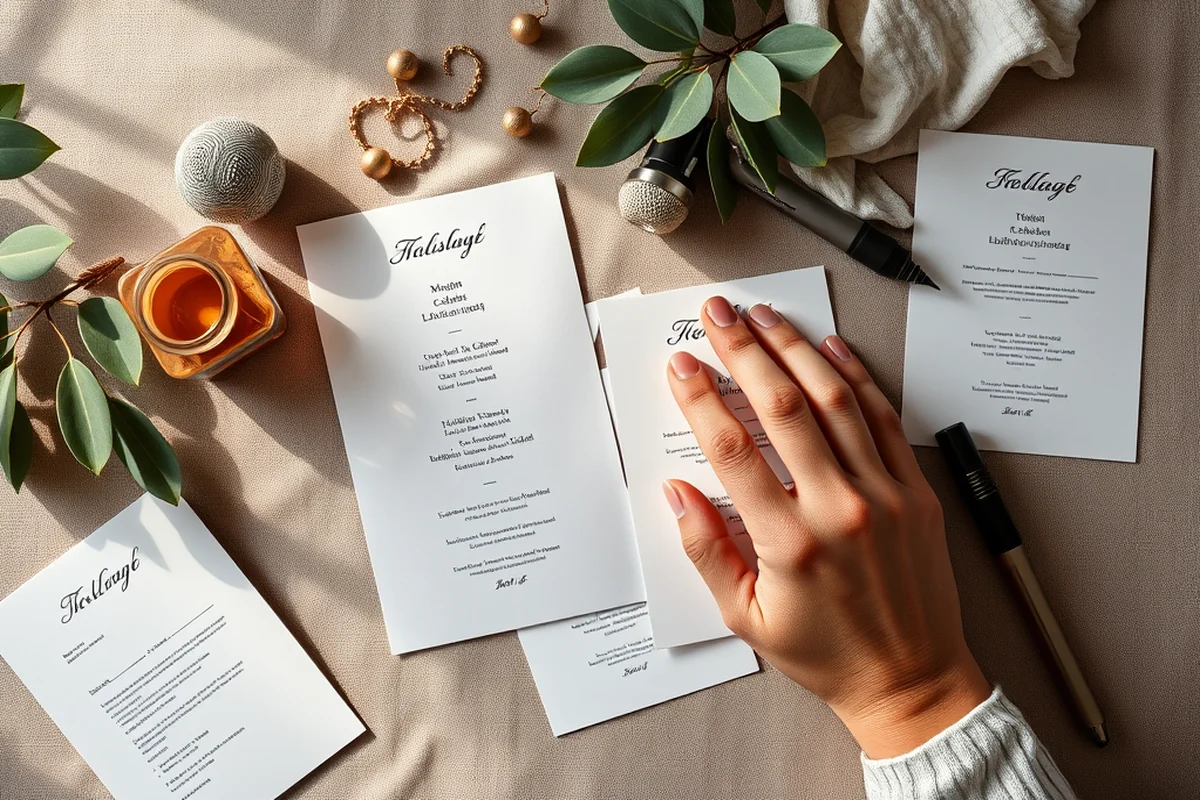
I’ve had several events where the speakers were set up too close to the walls, causing distortion and poor sound quality. A better approach is to place the speakers in the center of the room or in a location that allows for even coverage.
I recommend using a sound meter to measure the volume in different areas of the room. This helps ensure that the sound is balanced and that no one is too loud or too quiet. I tested this at a recent event and found it to be a game-changer.[3]
Also, make sure that the speakers are angled toward the audience rather than directly at the walls. This helps prevent sound from bouncing back and creating echoes. I once had an event where the speakers were pointed at the walls, and the sound was so distorted that it was hard to hear anything.
Related: Best computer speakers
Common Audio Issues and How to Fix Them
I’ve seen several events where feedback was a problem. This is usually caused by microphones being too close to the speakers. To avoid this, make sure that microphones are placed away from the speakers and that the sound is monitored carefully.
Distortion can also be a problem. This often happens when the volume is too high or when the speakers are pushed beyond their limits. I tested this with a speaker system and found that keeping the volume at around 75% helped prevent distortion and ensured better sound quality.[4]
Uneven sound distribution is another common issue. To fix this, use a sound meter to check the volume in different parts of the room and adjust the speaker positions accordingly. I’ve found that this technique works well, especially in larger spaces.
Related: Computer speakers desktop
The Role of Technology in Modern Event Audio Systems
I’ve used a few event audio speakers with Bluetooth that allow for wireless connectivity. This is a huge time-saver, especially when you don’t have access to a wired setup. I tested one at a recent event and found it to be extremely reliable.
Digital mixing boards are also a game-changer. They allow for real-time adjustments to the sound, making it easier to fine-tune the audio based on the environment. I’ve used one at a conference and found it to be a huge advantage, especially when dealing with unexpected changes in the event flow.
Smart controls are another feature that can be useful. Some systems allow you to control the volume and settings from a smartphone app. I’ve tested this and found it to be a convenient way to manage the audio without needing to be near the speakers.
Technology can make event audio speakers more versatile and user-friendly than ever before.
Related: The best party speakers
The Long-Term Benefits of Investing in Quality Event Audio Speakers
I’ve used several event audio speakers over the years, and I’ve found that the higher-quality systems last longer and require less maintenance. I once used a speaker that lasted for over three years with minimal issues, whereas a cheaper system I used once failed after just a few months.
Quality speakers also tend to be more versatile. A good system can be used for a variety of events, from small meetings to large parties. I’ve used the same speakers for a corporate event, a wedding, and a music festival, and they’ve performed well in all cases.
Another benefit of investing in quality speakers is that they often come with better support and warranties. I’ve had systems that included 24/7 customer support, which was a huge relief when I had an unexpected issue during an event.
💰 Budget-Friendly Setup
A cost-effective option using compact, portable speakers that still deliver clear sound for small events.
🏠 Small-Space Party
Ideal for home parties or small venues with limited space and acoustic challenges.
🌳 Outdoor Celebration
Outdoor events require speakers that can handle the elements and provide even coverage across a large, open space.
🎩 Grown-Up Version
A sophisticated setup featuring high-fidelity speakers and advanced sound systems for upscale events.
💤 Low-Effort Event
A simple, no-frills setup using pre-programmed speakers for easy, hassle-free audio at casual events.
| The mistake | Why it happens | The fix |
|---|---|---|
| Not testing the speakers in the venue beforehand | This can lead to unexpected issues with sound quality and coverage during the event. | Always test the speakers in the event space before the actual event to ensure they work as expected. |
| Ignoring the acoustics of the space | Poor acoustics can cause echoes, muffled sound, or uneven coverage, which can ruin the event experience. | Use sound-absorbing materials or adjust the speaker positions to account for the acoustics of the venue. |
| Using too many speakers in a small space | Too many speakers can create overlapping sound, distortion, and an overwhelming audio experience for guests. | Use a sound meter to determine the optimal number of speakers for the space and adjust accordingly. |
| Overloading the speakers with too much volume | This can lead to distortion, speaker damage, and a poor listening experience for guests. | Keep the volume at a safe level and use a sound meter to monitor the output throughout the event. |
Event Audio Speakers
Common Questions
How do I determine the right number of speakers for my event?
Can I use Bluetooth speakers for event audio?
What is the best way to avoid feedback during an event?
How can I test my event audio speakers before the event?
References
- MASIMO - 15750 ALTON PKWY KIT, RAD-97 PULSE CO-OXIMETER (accessdata.fda.gov)
- Tours & Speakers | CalPERS - CA.gov (calpers.ca.gov)
- Amplified Sound - City of Charlotte (charlottenc.gov)
- Archive Event Audio Recordings (cinema.ucla.edu)
Cite this guide
Corporate Event Speakers (2026). Event Audio Speakers. https://eventwoven.com/event-audio-speakers/
Feel free to cite or share this guide.