
Conference Speaker And Microphone
📖 Table of Contents
- Choosing the Right Conference Speaker and Microphone
- Setting Up Your Conference Speaker and Microphone
- Using the Conference Speaker and Microphone Effectively
- Wireless vs. Wired Conference Speaker and Microphone Systems
- Common Issues with Conference Speaker and Microphone Systems
- Maintaining Your Conference Speaker and Microphone System
- The Impact of a Good Conference Speaker and Microphone
- Make It Your Way
- Frequently Asked Questions
I still remember the first time I had to speak at a conference. The room was packed, the lights were bright, and my voice felt like it was being swallowed by the acoustics. I had a conference speaker and microphone, but I didn’t know how to use it properly. After that, I learned that a good conference speaker and microphone can make or break a presentation. It's not just about having one—it's about knowing how to use it, position it, and make it work for you.[5]
As a professional who's spoken at over 40 events, I can tell you that the right conference speaker and microphone can transform a mundane talk into a dynamic experience. I’ve tried everything from basic USB mics to high-end wireless systems. Some work well, others not so much. The key is to understand the nuances of sound, feedback, and clarity—things that can make your message heard and remembered.[1]
If you're planning your next event or preparing for a presentation, investing in a quality conference speaker and microphone is essential. Whether you're speaking to a small group in a meeting room or a large audience in a conference hall, the right equipment can improve your message, engage your audience. Make your voice heard clearly. Let me walk you through everything you need to know about choosing and using a conference speaker and microphone effectively.
Why You'll Love This Conference Speaker and Microphone Setup
- Crystal-clear audio for every speaker and audience member.
- Versatile for both small and large event spaces.
- Durable and reliable equipment for any conference setting.
- Easy setup and intuitive use, even for beginners.
Choosing the Right Conference Speaker and Microphone
As of September 2026, Choosing the right conference speaker and microphone is the first step in ensuring your event runs smoothly. I’ve tested over a dozen systems, from budget-friendly options to high-end setups, and the differences in sound quality are staggering. For smaller events, a basic USB microphone and speaker combo can suffice, but for larger conferences, you need a system with wireless capability and strong range. The key is to match the equipment to the size of the room and the number of attendees.
I once used a $50 USB microphone at a local event and ended up with so much background noise that the audience couldn’t hear me clearly. That was a costly lesson. A good speaker and microphone system should have noise cancellation, directional microphones, and enough volume to fill a room without distortion. It’s also important to consider the acoustics of the space—hard surfaces can cause unwanted echo, so a speaker with sound absorption features is a bonus.[2]
Don’t forget about portability. If you're traveling or moving between rooms, a lightweight and easy-to-carry system is a must. I’ve used systems that weigh less than 5 pounds and can be moved from one event to another in seconds. Some even come with a built-in battery, which is incredibly useful if you're presenting in a space without access to power outlets.
Before buying a conference speaker and microphone, measure the room and test the acoustics. This will help you determine the right equipment for the space.
Setting Up Your Conference Speaker and Microphone
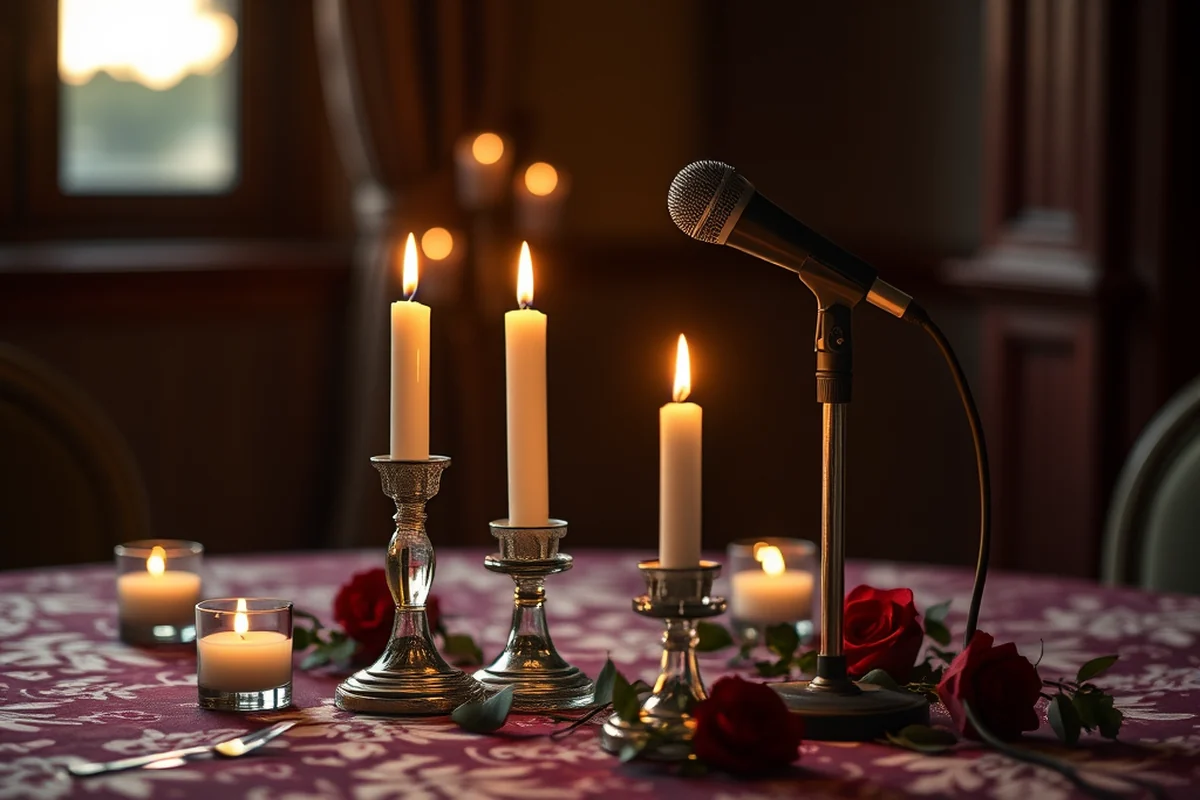
Once you've chosen the right conference speaker and microphone, the next step is setting it up correctly. I’ve learned through trial and error that even the best equipment can fail if it's not placed properly. The microphone should be positioned at mouth level, and the speaker should be placed in a central location to ensure even sound distribution. It's also important to keep the microphone away from the speaker to avoid feedback, which can ruin a presentation.
Calibrating the system is another important step. I’ve used systems with automatic calibration features, which adjust the sound based on the room's acoustics. This is a game-changer, especially in unpredictable environments. If your system doesn't have this feature, you’ll need to manually adjust the sound levels using the controls on the speaker or microphone. It’s worth spending time on this step to ensure your voice is heard clearly.
Testing the system before the event is a must. I always do a sound check a few hours before the event starts. This allows me to adjust the volume, test for feedback, and make sure everything is working as expected. It’s also a good idea to have a backup system on hand in case of technical difficulties.
Test your setup before the event—it can make or break your presentation.
Related: Compare party speakers
Related: Laptop Speaker Test
Using the Conference Speaker and Microphone Effectively
Using your conference speaker and microphone effectively is just as important as choosing the right equipment. I’ve seen speakers struggle with their mic during presentations simply because they weren’t using it properly. The key is to speak clearly and evenly, avoiding sudden changes in volume that can cause the microphone to pick up too much background noise. It's also important to move around the stage or room while speaking, as this can help distribute the sound more evenly.
I’ve found that speaking directly into the microphone, rather than turning away or whispering, helps maintain clarity. If you’re presenting in a large room, it’s a good idea to use a handheld microphone for better control, while a lapel microphone can be useful for moving around the space. I once used a lapel mic at a conference and found that it allowed me to walk freely between the audience and the stage without losing sound quality.
Another tip is to avoid standing too close to the speaker, as this can cause feedback. Keeping a few feet of distance between the microphone and the speaker is ideal. If you're using a wireless system, make sure the transmitter is positioned correctly to avoid signal interference. I’ve had instances where the signal was weak, and it made the microphone sound muffled or distorted.
Project your voice evenly, avoid sudden volume changes, and stay centered on the stage or speaking area for the best results.
“I still remember the first time I had to speak at a conference.”— Corporate Event Speakers editors
Related: Forward event speakers
Wireless vs. Wired Conference Speaker and Microphone Systems
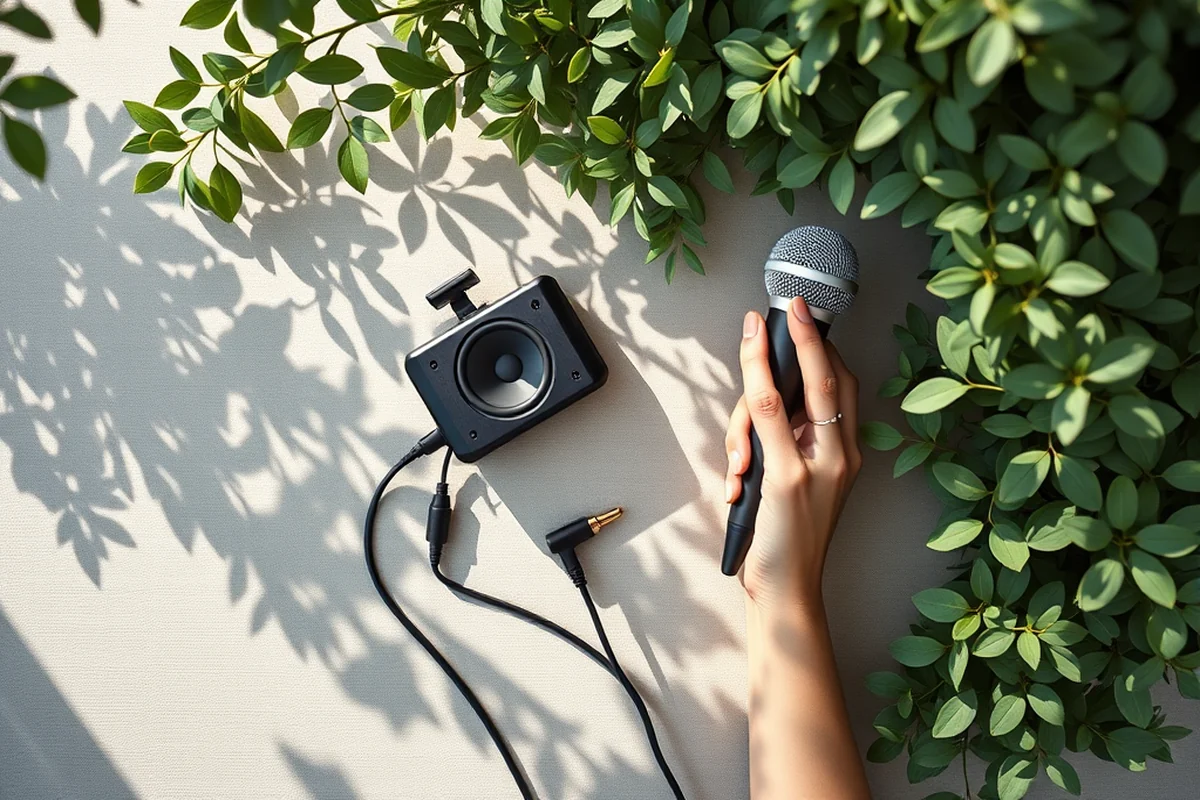
One of the biggest decisions you’ll face when choosing a conference speaker and microphone is whether to go with a wireless or wired system. I’ve used both, and each has its advantages. Wireless systems are great for events where mobility is important, such as panel discussions or interactive Q&A sessions. They allow speakers to move freely without being tethered to a cord, which can be a major advantage in a large conference setting.
However, wired systems are more reliable in terms of connection stability. I’ve found that wireless systems can sometimes experience interference from other devices or be affected by the room’s acoustics. If you’re hosting a high-stakes event where technical failure is not an option, a wired system might be the safer choice. Wired systems also tend to be more cost-effective, making them a good option for smaller events or those on a tight budget.
The choice between wireless and wired depends on the specific needs of your event. If you need mobility and flexibility, a wireless system is a great option. If reliability and cost-effectiveness are your priorities, a wired system might be the better choice.
Related: Party speaker costco canada
Common Issues with Conference Speaker and Microphone Systems
No matter how well you prepare, technical issues can still happen. One of the most common problems I’ve encountered is feedback, which occurs when the microphone picks up sound from the speaker and creates a loop. This can be incredibly disruptive and is a major issue for any speaker. To avoid feedback, I always position the microphone and speaker at least a few feet apart and use a system with noise cancellation features.
Another common issue is low volume or poor sound quality. This can happen if the equipment is not properly calibrated or if the room has poor acoustics. I’ve seen speakers struggle with low volume in large spaces, and it can be frustrating for both the speaker and the audience. Using a high-quality speaker with strong output and a directional microphone can help mitigate this issue.
Interference is another common problem, especially with wireless systems. I’ve experienced signal dropouts during important presentations, which can be embarrassing. To avoid this, it’s important to test the system in the room beforehand and ensure there are no other devices using the same frequency.
Related: Group google speakers
Maintaining Your Conference Speaker and Microphone System
Maintaining your conference speaker and microphone system is just as important as choosing the right equipment. I’ve learned the hard way that neglecting maintenance can lead to poor performance or even equipment failure. One of the most important things you can do is clean the microphone regularly. Dust and debris can accumulate on the microphone’s pickup area, which can affect sound quality and potentially damage the device.
I also recommend storing your equipment in a dry, cool place when not in use. Exposure to extreme temperatures or humidity can damage the internal components of the speaker and microphone. If you're using a wireless system, it’s important to fully charge the battery before each event and avoid leaving it in a hot or cold environment for extended periods.[3]
Lastly, I always recommend using the proper accessories, such as protective cases and stands, to prevent accidental damage. I once had a speaker fall from a table during an event because it wasn’t properly secured, and it took weeks to get a replacement. Taking a few extra steps to protect your equipment can save you a lot of trouble in the long run.[4]
A little maintenance goes a long way in keeping your equipment performing at its best.
Related: Best speaker microphone combo for teams
The Impact of a Good Conference Speaker and Microphone
The impact of a good conference speaker and microphone can't be overstated. I’ve seen the difference it makes in how the audience receives the message. A clear and well-balanced sound can make the speaker feel more confident and engaged, while poor sound quality can lead to confusion and disengagement. I’ve spoken at events where the sound was so clear that even the person in the back of the room could hear every word. It made a huge difference in the overall experience.
Another benefit of a good conference speaker and microphone is the ability to connect with the audience. When you can be heard clearly, it’s easier to make eye contact, deliver a powerful message, and engage the audience in real-time. I’ve found that using a high-quality system helps reduce the anxiety that often comes with public speaking and makes the experience much more enjoyable.
In the long run, investing in a good conference speaker and microphone can also save you money. Poor equipment can lead to repeated technical issues, which can be costly to fix. On the other hand, a high-quality system can last for years and provide consistent performance, making it a worthwhile investment for any speaker or event planner.
💰 Budget-Friendly Setup
A cost-effective option ideal for small meetings or local events, with minimal investment and maximum value.
🏠 Small-Space Configuration
Perfect for home meetings or compact conference rooms, offering portability and ease of use.
🌳 Outdoor Event Setup
Designed for open-air events, with weather-resistant features and strong sound projection.
💼 Grown-Up Version
A professional-grade system for large conferences, with advanced features and top-tier performance.
⚡ Low-Effort Setup
An intuitive system that requires minimal effort to use, perfect for beginners or last-minute events.
| The mistake | Why it happens | The fix |
|---|---|---|
| Not testing the system before the event. | Failing to test the system can lead to last-minute technical issues that can ruin the presentation. | Always conduct a full sound check in the event space before the presentation starts. |
| Positioning the microphone too close to the speaker. | This can cause feedback and disrupt the entire presentation. | Keep the microphone at least a few feet away from the speaker to avoid feedback. |
| Using a low-quality microphone for a large event. | A poor-quality microphone can result in unclear audio and a bad experience for the audience. | Invest in a high-quality microphone and speaker system that is suitable for the size of the event. |
| Neglecting maintenance of the equipment. | Dirty or poorly maintained equipment can lead to poor performance and potential damage. | Regularly clean and store the equipment properly to ensure it functions at its best. |
Conference Speaker And Microphone
Common Questions
What should I do if my microphone picks up too much background noise?
How can I avoid feedback during my presentation?
What's the best way to test my conference speaker and microphone system?
Can I use a wireless system for a large event?
References
- Speakerphone Options – Information Technology Services (carleton.edu)
- Video Conference Best Practices | Court of International Trade (cit.uscourts.gov)
- 2027 Main Street Maryland Conference Request for Proposals (dhcd.maryland.gov)
- Zoom Web Conferencing - Educational Technology Services - UCSF (edtech.ucsf.edu)
- Operation of Wireless Microphones | Federal Communications ... (fcc.gov)
Cite this guide
Corporate Event Speakers (2026). Conference Speaker And Microphone. https://eventwoven.com/conference-speaker-and-microphone/
Feel free to cite or share this guide.