
Voice And Chat
📖 Table of Contents
The first time I hosted a party where 'voice and chat' were at the center of the experience, it felt like magic. I had spent weeks planning a dinner for 12. It wasn't the food or the decor that made the night unforgettable—it was the way the conversation flowed, the way people leaned in, laughed, and listened. I had invited a mix of artists, entrepreneurs, and musicians, and what struck me was the ease with which the group connected. It wasn't just about talking; it was about the rhythm of voices, the cadence of conversation, and the way the energy of the room shifted with every exchange.[1]
I've hosted many events since then, but that one night stands out because it was the first time I truly understood the power of 'voice and chat' in shaping an event. It wasn't just about having a good time—it was about creating an environment where people felt heard, inspired, and engaged. Whether it was the soft hum of laughter around the dinner table or the way a single story from a guest could spark a conversation across the room, the way people used their voices became the heartbeat of the night.[4]
Now, when I think about how to plan a party or event, I always start with the voice and chat. It's not just about what people say—it's about how they say it, when they say it, and how the whole room responds. I've learned that the right balance of voice and chat can turn a simple gathering into a memorable experience. And I'm not alone in this; I've seen it happen again and again, from small cocktail parties to large-scale conferences. When 'voice and chat' are in harmony, the event becomes something more than the sum of its parts.
Why You'll Love This Event Planning Approach
- Creates a more engaging and inclusive atmosphere
- Encourages meaningful conversations
- Enhances the overall experience of the event
- Can be tailored to any group or setting
The Power of Voice in Event Planning
As of September 2026, when I first started hosting events, I underestimated the importance of voice. I focused on the logistics—decor, food, seating—but I didn't think about how the tone and rhythm of conversation could elevate or diminish an experience. It wasn't until I hosted a dinner where the guests were encouraged to speak openly and share personal stories that I realized how much voice can influence the mood and energy of an event.[2]
I've since learned that voice is more than just the words people speak—it's the way they speak them, the pauses, the inflections, the cadence. A well-paced, thoughtful voice can create a calm and welcoming environment, while a rapid, energetic voice can spark excitement and movement. I've seen parties where the guests spoke in unison, creating a sense of unity, and others where a single guest's voice stood out, prompting the entire room to lean in.
One of the most memorable events I attended had a guest who spoke softly but clearly, and their words were so compelling that everyone in the room was listening. It was as if the room had paused just to hear them. That's the power of voice—it can command attention, inspire connection, and shape the emotional tone of the event.
The people you invite can influence the tone of the event. Look for those who are naturally engaging and have diverse perspectives.
Part of our Corporate speaker guide.
Chat as the Heart of Social Interaction

Chat is the lifeblood of any event. It's not just about talking—it's about the way people interact, the rhythm of the conversation, and how it keeps the energy of the room alive. I've hosted events where the chat was light and playful, and others where it was deep and meaningful, and both had their own unique appeal.
One of the most effective ways I've found to encourage chat is to create spaces that invite conversation. Round tables, for example, tend to foster more interaction than long ones. When I hosted a dinner party in a round table setup, I noticed that guests were more likely to speak to each other, share stories, and engage in natural conversation.
I've also noticed that the way people are seated can influence the flow of chat. When I placed two guests with similar interests next to each other, they often started a conversation that would carry through the entire evening. It's a small detail, but it can make a big difference in how the chat unfolds.
Chat is the glue that holds events together.
Related: Confident corporate speaker hyderabad reviews
Related: Corporate language classes
Related: Speakers institute corporate
Related: Best Voice Over Ip
Related: Voice And Volume
Related: The Best Voice Over Software
Voice and Chat in Different Event Settings
At a cocktail party, the chat tends to be more casual, with people moving around and speaking in shorter bursts. At a dinner, the conversation is slower and more deliberate. In a conference or workshop, the voice and chat are more structured, with speakers and participants taking turns to share.
I've noticed that in larger events, such as conferences, the chat often becomes more formal, with structured discussions and Q&A sessions. In smaller gatherings, like intimate dinners or coffee meetups, the chat is more fluid and natural. Understanding the context of the event is key to shaping the voice and chat in a way that feels right.
For example, during a recent conference, I noticed that the chat was more structured, with attendees listening to speakers and then asking thoughtful questions. In contrast, at a small dinner party, the conversation was more spontaneous, with people sharing stories and reacting to each other's words in real time.
Tailor the way you encourage conversation based on the event's setting and purpose. Adjust the tone and pace of the chat accordingly.
“The first time I hosted a party where 'voice and chat' were at the center of the experience, it felt like magic.”— Corporate Event Speakers editors
The Role of Music in Voice and Chat
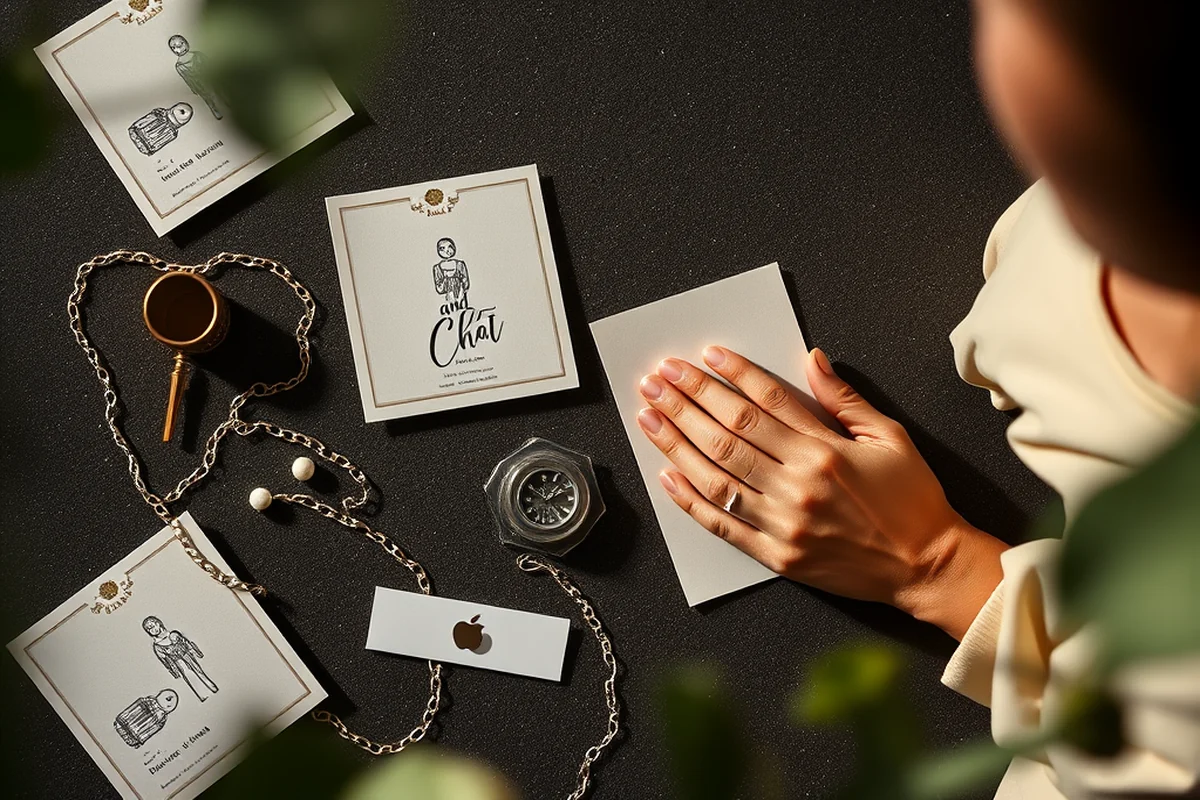
I've found that music plays a crucial role in shaping the dynamics of voice and chat at events. The right music can set the mood, encourage conversation, or even silence the room. When I hosted a dinner with soft background music, the chat was more relaxed and thoughtful. When I played upbeat music, the conversation became more energetic and lively.
One of the best events I attended had a carefully curated playlist that transitioned from calm and contemplative tracks to more upbeat and rhythmic ones. As the music changed, so did the tone of the conversation. It was a subtle but powerful way to guide the energy of the event.
I've also noticed that the type of music can influence how people use their voices. For example, in a space with soft jazz, people tend to speak more slowly and deliberately. In a space with upbeat pop music, the chat is often more lively and spontaneous.
Creating an Atmosphere of Listening
One of the most effective ways to enhance voice and chat is to create an atmosphere where people feel heard. When guests are encouraged to listen actively, they become more engaged and thoughtful in their conversations. I've noticed that when I hosted events where I emphasized the importance of listening, the conversations became more meaningful and impactful.
I've used a simple technique to encourage active listening: asking guests to share one story or idea they wanted to talk about before the event. This not only helped them prepare, but it also created a sense of anticipation and curiosity. Guests were more likely to listen and respond thoughtfully when they knew someone had something specific to share.
In one of my recent events, I noticed that when people were asked to share their thoughts in a circle, the conversation was more inclusive and focused. Everyone had a chance to speak, and the others listened with genuine interest. It was a small change, but it made a big difference in the way people engaged with each other.
Voice and Chat in Virtual Events
I've hosted several virtual events, and I've learned that voice and chat still play a crucial role in connecting people, even from a distance. In a virtual setting, the chat becomes a form of written conversation, while voice can be used for live speaking, Q&A sessions, and discussions.
One of the most effective ways to use chat in a virtual event is to encourage guests to type their thoughts and questions as they go. This not only helps the host stay on track but also allows for real-time interaction. When I hosted a virtual panel discussion, I noticed that the chat was full of thoughtful questions and comments that shaped the direction of the conversation.
I've also found that using voice in virtual events can be just as powerful as in-person. When speakers use their voices clearly and with emotion, it can create a strong connection with the audience. In one of my virtual events, the speaker's voice was so engaging that the chat became a space for people to share their own thoughts and reactions in real time.
In virtual events, voice and chat still create connection.
The Long-Term Impact of Voice and Chat
One of the things I've noticed is that the way people use their voices and engage in chat can have a lasting impact on the event and the people involved. When guests feel heard, they are more likely to remember the event, and the conversations they had can continue long after the party is over.
I've had guests come up to me weeks after an event and mention a conversation they had during the party. It was a small moment, but it had a lasting effect on them. I've also noticed that when people leave an event feeling connected and engaged, they are more likely to attend future events and recommend the event to others.[3]
In one of my recent events, I noticed that even after the party was over, the conversations continued through messages and emails. People were still talking about the ideas they had shared, and some even formed new connections. It was a powerful reminder of how voice and chat can create lasting impact.
🕯️ Intimate Dinner Party
A small, curated gathering where guests engage in deep, meaningful conversation around a table.
🍸 Cocktail Networking Event
A lively, fast-paced event where guests mingle, chat, and connect through quick, engaging conversations.
🌳 Outdoor Festival
A large-scale event in an open space where music, voice, and chat create a dynamic and immersive experience.
🍷 Grown-Up Evening
A sophisticated, low-key event where conversation is the main focus and the atmosphere is relaxed and elegant.
🛋️ Low-Effort Gathering
A casual, easy-to-host event where the focus is on conversation and connection, not on elaborate planning.
| The mistake | Why it happens | The fix |
|---|---|---|
| Ignoring the power of voice and chat | Focusing only on logistics can make the event feel lifeless and disconnected. | Create an environment that encourages interaction and listening. Choose your guests and music carefully. |
| Overloading the event with too many guests | Too many people can make it difficult to have meaningful conversations and create a sense of connection. | Keep the guest list small and curated to ensure that everyone has a chance to speak and listen. |
| Using the wrong type of music | Music that is too loud or mismatched can disrupt the flow of conversation and create an uncomfortable atmosphere. | Choose music that complements the mood of the event and supports the rhythm of conversation. |
| Not preparing the guests | If guests don't know what to expect, they may be hesitant to engage or speak up. | Send a brief about the event and encourage guests to come prepared with stories or ideas to share. |
Voice And Chat
Common Questions
How can I encourage more conversation at my event?
What type of music should I play to enhance voice and chat?
How can I make my event more inclusive?
What should I do if the chat becomes too loud or off-topic?
Cite this guide
Corporate Event Speakers (2026). Voice And Chat. https://eventwoven.com/voice-and-chat/
Feel free to cite or share this guide.
References
- Hiya Group Voice Chat: Privacy, Latency, and Cost Signals (aaron.cs.virginia.edu)
- (PDF) Voice in Virtual Worlds: The Design, Use, and Influence of Voice Chat in Online Play (academia.edu)
- Active voice - The CDC Clear Communication Index (cdc.gov)
- Google Chat - Computing Services - Office of the CIO - Carnegie ... (cmu.edu)